


Affordability
Think You Have To Put 20% Down? Most First-Time Homebuyers Don’t.

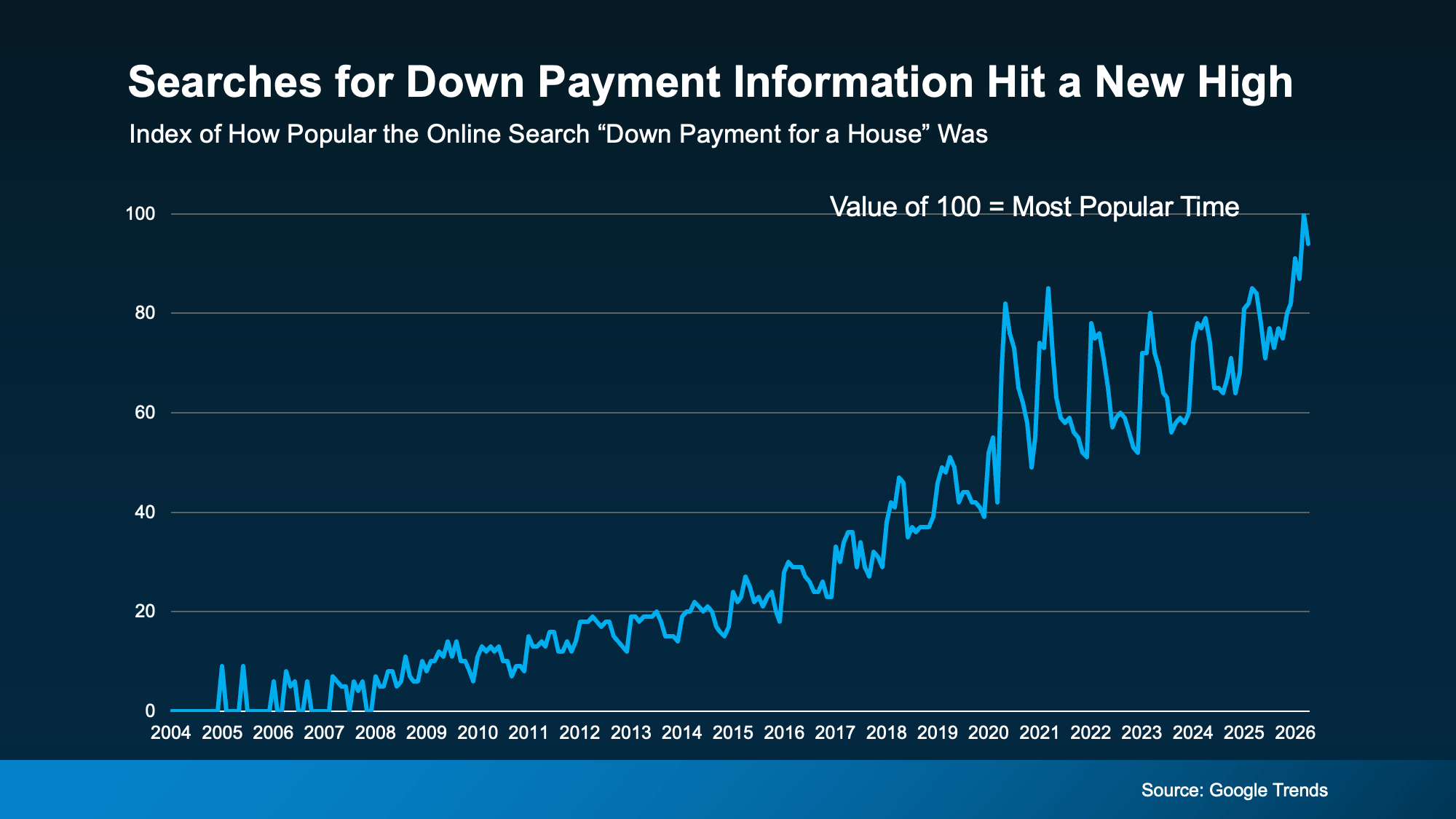
According to Google Trends, online searches for down payment information recently hit an all-time high. And that’s a clear sign more buyers are trying to figure out what they really need to save before making a move (see graph below):
 If you’re wondering the same thing, you can always turn to the internet for answers. But a lot of the time, it’s better to ask a local expert. Because here’s what a pro would tell you.
The 20% Down Payment Myth
The idea that you need 20% down to buy a home is one of the biggest misconceptions around the homebuying process. And the data debunks the myth.
While there are benefits to putting that much money down, most first-time buyers put down far less.
Here’s why. Unless it’s stated by your lender, you typically don’t have to have a 20% down payment. There are even some loan options designed to help you get into a home with a much smaller upfront cost. As the Mortgage Reports explains:
“The amount you need to put down will depend on a variety of factors, including the loan type and your financial goals. If you don’t have a large down payment saved up, don’t worry—there are plenty of options available, and you don’t need to put down the traditional 20% . . . many homebuyers are able to secure a home with as little as 3% or even no down payment at all . . .”
For example, FHA loans allow down payments as low as 3.5%, while VA and USDA loans offer zero down payment options for qualified applicants, like Veterans.
And those options are just one reason so many first-time buyers are able to buy without a 20% down payment.
What Buyers Are Actually Putting Down
So, if buyers aren’t doing 20%, how much do they actually put down?
According to the National Association of Realtors (NAR), the median down payment for first-time homebuyers is only 10%. That’s half of what you probably expected.
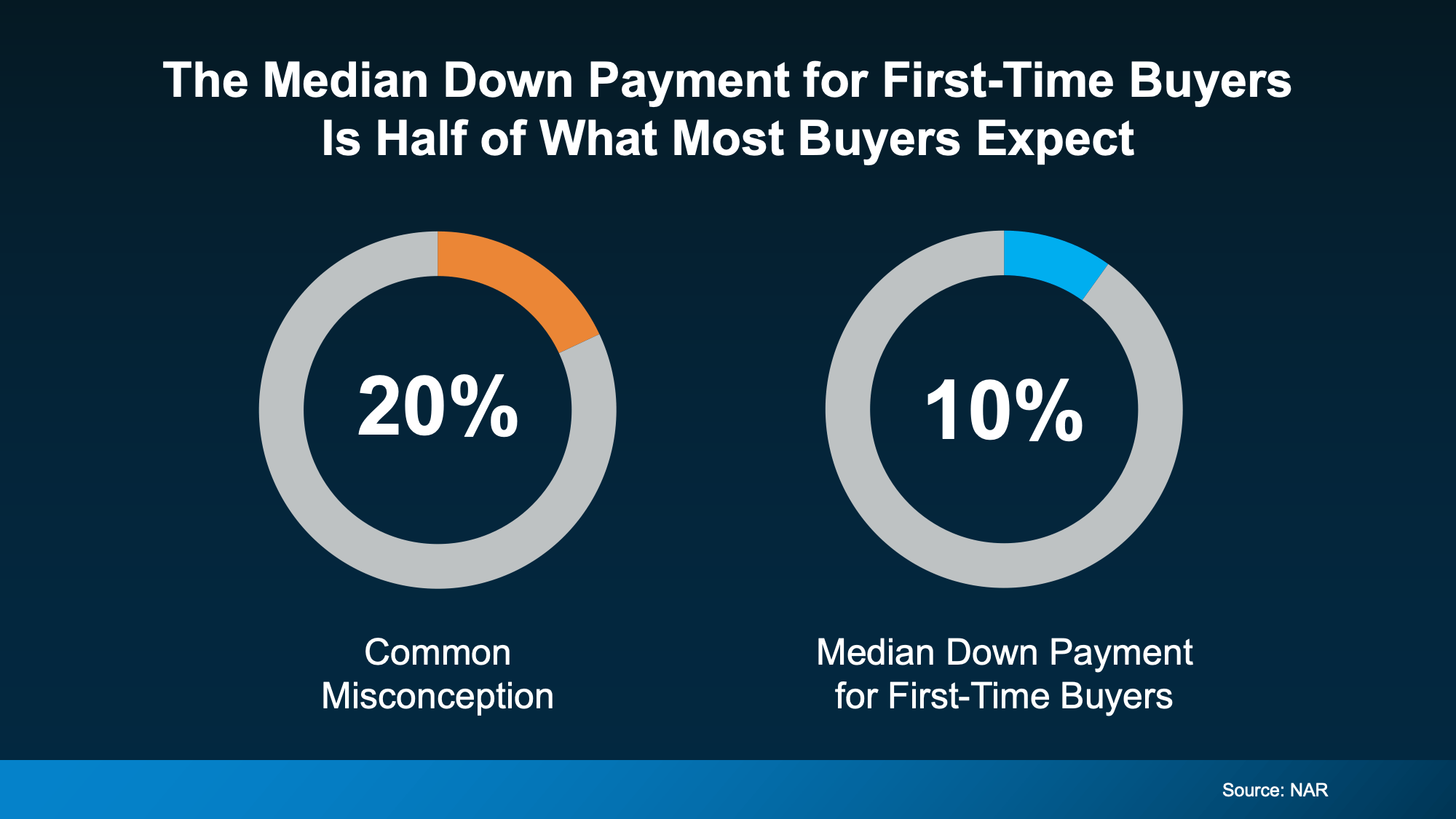 That means if you’re aiming to save 20% because you think you have to, you may be setting a timeline that’s longer than necessary.
And here’s some more good news. It’s not only that you may be able to buy with less money down than you thought, but there are also options to help you get to your down payment goal even faster.
Why You Should Look into Down Payment Assistance Programs
There are a lot of programs designed to help you save for a down payment – and they can make a big difference in how fast you hit your savings target. Unfortunately, buyers don’t realize how many there are, or that they may qualify for help.
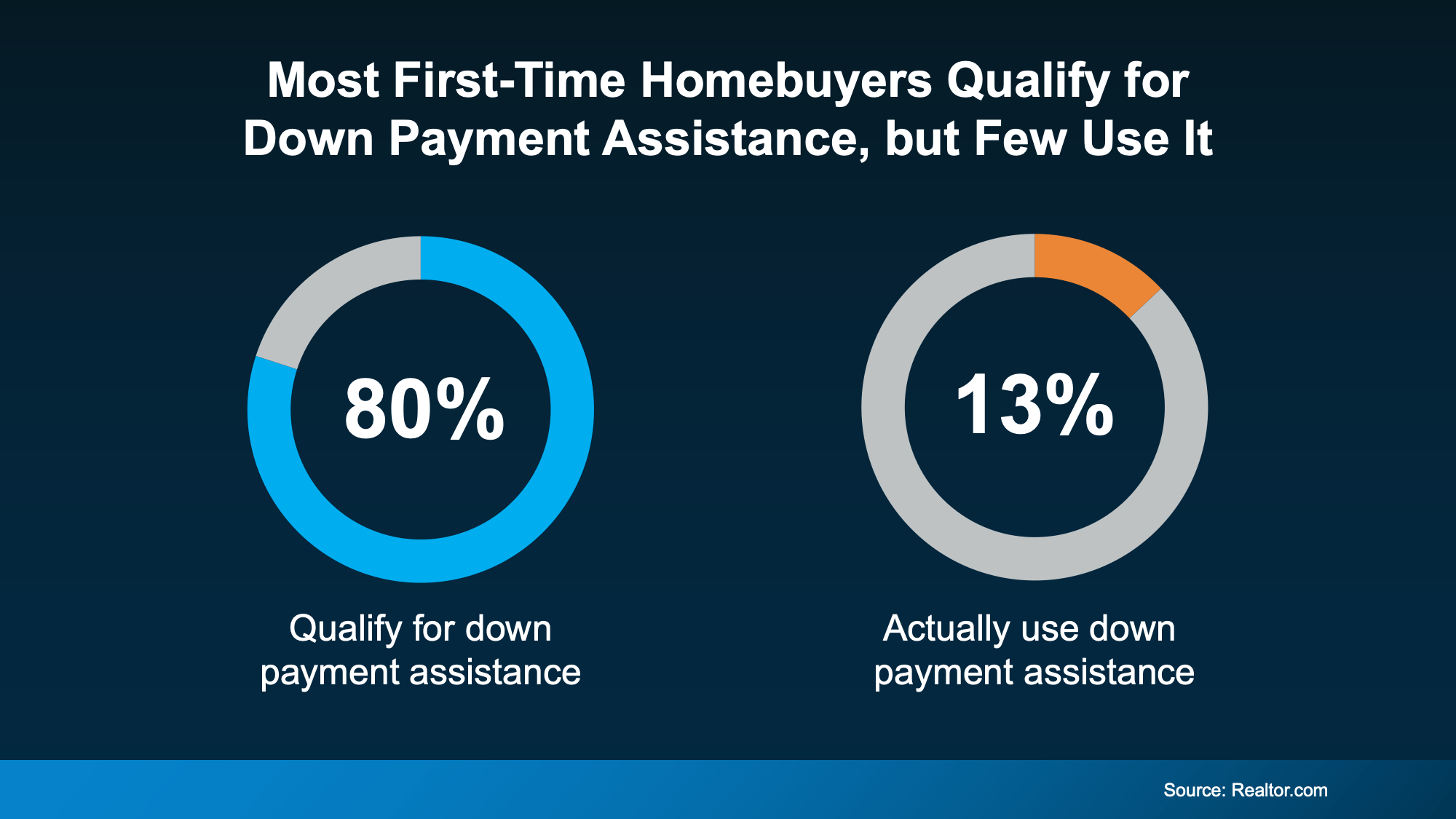
Research from Realtor.com shows almost 80% of first-time homebuyers qualify for down payment assistance (DPA), but only 13% actually use it (see chart below):
 And that’s another big miss holding would-be buyers like you back.
In the U.S., there are over 2,600 homeownership programs available, many offering significant financial support. As Down Payment Resource shares:
“With an average benefit of $18,000, down payment assistance (DPA) remains one of the most essential tools for addressing the nation’s affordability challenges. Programs continue to expand in scope, serving a broader range of incomes, property types and borrower needs, including first-generation, military and repeat buyers.”
Imagine how much further your savings could go with an extra $18,000 you can use to buy. In some cases, you may even be able to stack multiple programs, giving what you’ve saved an even bigger boost.
Bottom Line
The simple truth is: most first-time buyers don’t put 20% down. And if you’ve been waiting to buy until you have that saved, you may be setting a timeline that’s longer than necessary.
To find out what you really need to save and if you qualify for any help, connect with a trusted lender who can walk you through your options. You may be able to buy sooner than you thought.
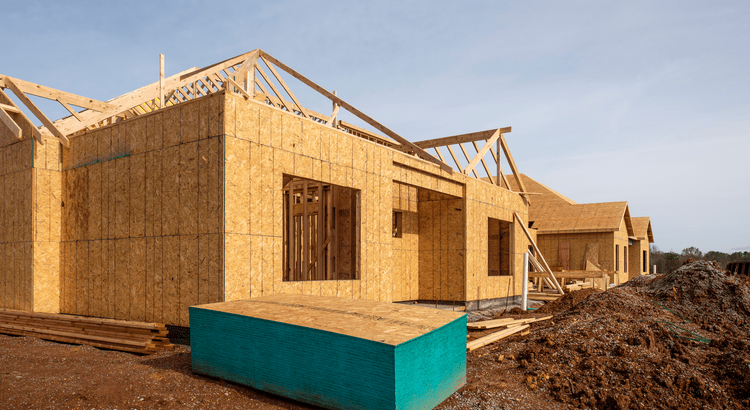
Most people think a newly built home costs more than an existing one. But right now, that’s actually backwards. Newly built homes are more affordable than existing ones in a lot of markets. And that’s because builders are cutting prices and stacking on incentives to try to keep their inventory moving.
Here’s why that’s really important for any would-be homebuyer to know.
Newly Built Homes Are the Better Deal Right Now
According to the latest data from the Census and the National Association of Realtors (NAR), a newly built home now typically costs about $40,000 less than an existing one (see graph below):
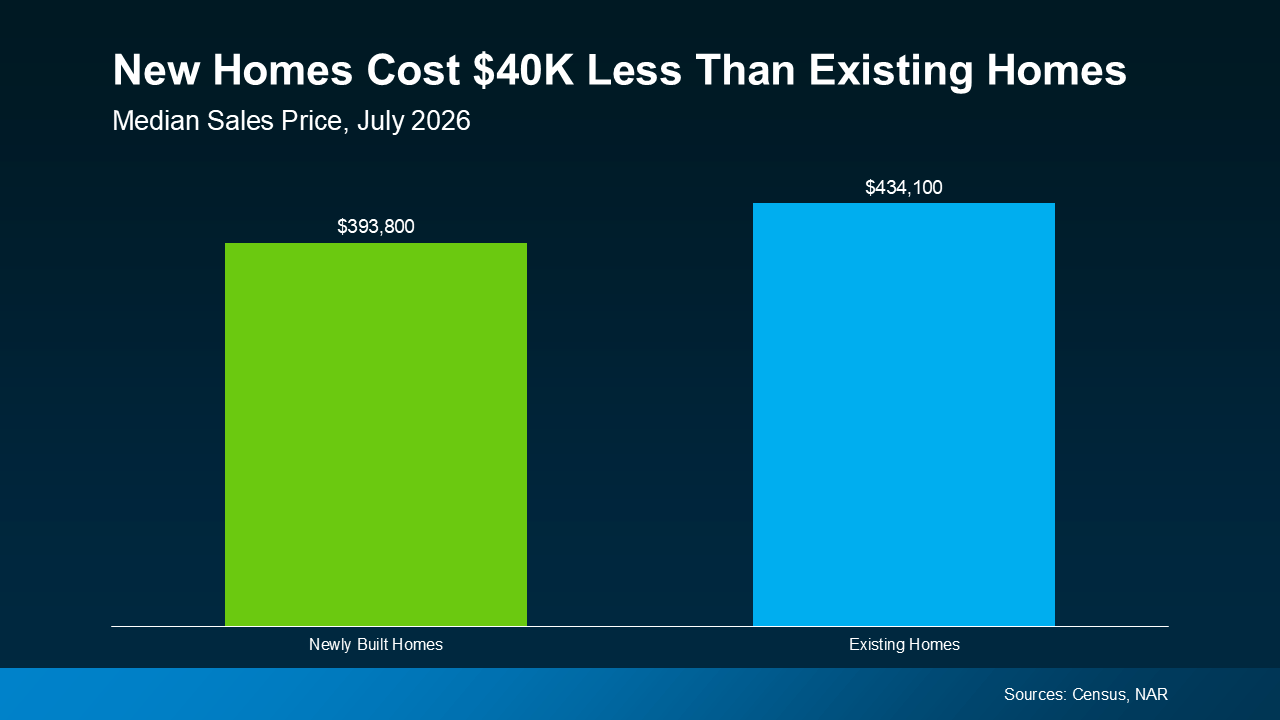 Builders aren’t like homeowners who can wait for the right offer. Unsold homes cost them money as long as they sit empty. So, builders cut prices and add incentives to keep them moving. That trend has carried into August. NAHB’s latest numbers:
-
35% of builders cut prices, with an average reduction of 6%.
-
63% offered incentives like covering closing costs or buying down your mortgage rate.
And those incentives can make a real dent in what you pay upfront and every month after. Plus, since everything is new and many builders offer warranties, you could save on home maintenance costs too. And with affordability where it is, every dollar counts.
So, don’t cross new builds off your list just yet. Yes, you may think they cost more, but that’s not always the case.
If you can get brand-new everything for less than buying an existing home, isn’t that at least worth looking into?
Don’t Let the Builder Pick Your Teammate
But before you tour a single model home, there’s one thing worth figuring out first – who’s actually working for you once you walk through that door.
That friendly rep in the builder’s sales office works for the builder, not you. Their job is to protect the builder’s bottom line, not yours. Your own agent flips that.
They know the local market, so they can tell you if the builder’s price and upgrades stack up against other options nearby. They’ll negotiate on your behalf, whether that’s a lower price, free upgrades, or a rate buydown.
A good agent will also push for a home inspection. Builders won’t always bring it up, but it’s a step you shouldn’t skip, even on a new build. And your agent will be in your corner, so you know what you’re buying and get the best deal possible.
Bottom Line
New homes may actually cost less than an existing home right now. And that’s opening up a window for you to get brand-new for less.
If you want a list of new home communities near you that are currently offering incentives or doing price cuts, reach out to a local agent. When you have your own agent, you’ll have someone in your corner helping you get the best deal possible.

Lately, headlines have floated an eye-catching idea about tapping into your 401(k) to cover a down payment on a home. Maybe you’ve caught the buzz and wondered whether that money could get you into a home faster, especially with affordability as tough as it is.
Here’s what you need to remember. Pulling from your retirement savings is a big decision, so take time to weigh all your options first and be sure to talk with a financial expert before you do anything.
Why Dipping into a 401(k) Can Be Tempting
Data from Empower shows many Americans have built up considerable retirement savings. The median 401(k) amount for anyone in their 40s-60s is six figures (see graph below):
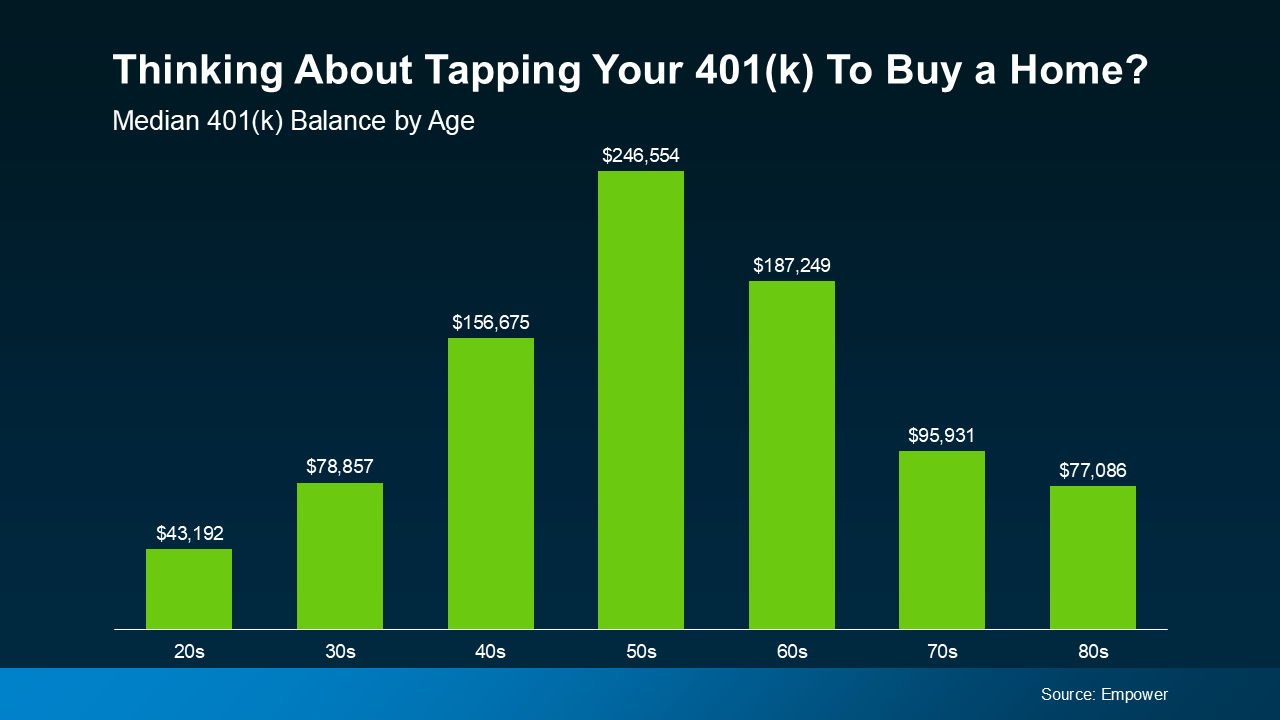 And when you’ve got a good chunk saved and your dream home is right there, reaching for it can feel like an easy call.
But dipping into your retirement savings to buy a home could cost you a penalty and set back your finances later on. That’s why it’s a good idea to explore other options for your down payment first. As Redfin says:
“If you’re struggling to save enough for a down payment, you may be wondering if tapping into your 401(k) is the right option. While it’s possible, doing so comes with significant risks, like early withdrawal penalties and lost investment growth.“
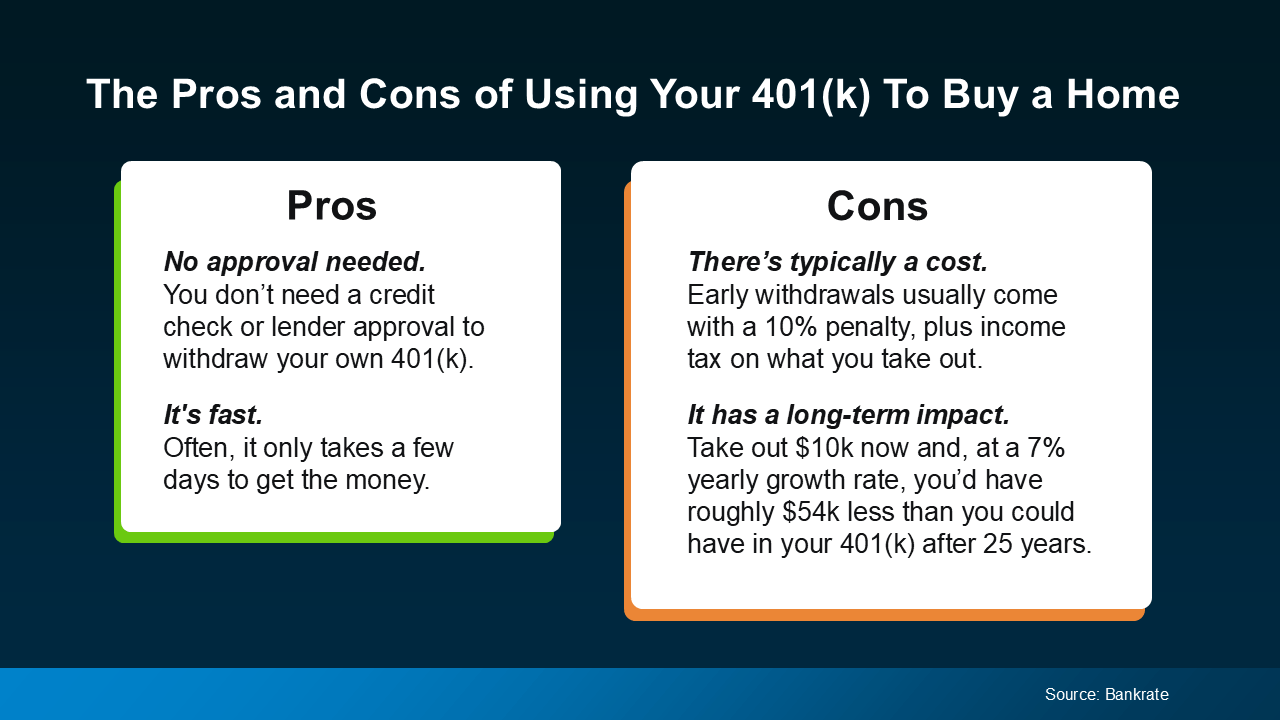
Before you decide, have a financial advisor help you compare the upsides to the risks. Bankrate points to a few of each (see visual):
Other Options Worth Exploring First
Your 401(k) isn’t the only way to finance a home purchase. Redfin outlines a few other options to look into before you decide what to do:
-
Low and No-Down Payment Loans: FHA loans, for example, allow qualified buyers to put down as little as 3.5% of the home’s price, depending on their credit scores.
-
Down Payment Assistance Programs: Many national and local programs can help reduce what you pay toward your down payment or closing costs.
Make a Plan Before You Make a Move
No matter which route you take, talk with a financial expert first. The buyers who come out ahead build a solid plan with the right professionals before starting their journey to homeownership. As NerdWallet puts it:
“Even if you’re convinced a 401(k) loan is the way to go, it’s important to understand the risks at the outset.“
Bottom Line
Affordability is definitely a challenge, but that doesn’t mean tapping your 401(k) is your only way in if you want to buy.
If you’re considering using your 401(k) savings for a down payment, weigh all your options and talk with a trusted financial advisor before you make any decisions. They’ll help you make a plan to fit your goals and your budget.

You’re scrolling through listings on your phone and everything looks good until you see the price (or the estimated monthly payment). Then you close the app.
Because even if you love the house, the numbers feel impossible. But here’s the thing.
Nationally, there are more homes sitting on the market than there are people out there looking. And when sellers need buyers more than buyers need sellers, that shows up in the price.
Lower asking prices. More price cuts. And homes priced for what buyers can actually afford – not what sellers hope someone might pay.
And it may be enough to make buying more doable than you’d think.
4 Out of 10 Sellers Are Cutting Their Price
One of the clearest signs sellers are adjusting? Price cuts. HousingWire Data shows more than 40% of sellers are dropping this price.
That’s just slightly behind the volume we saw last year (see graph below):
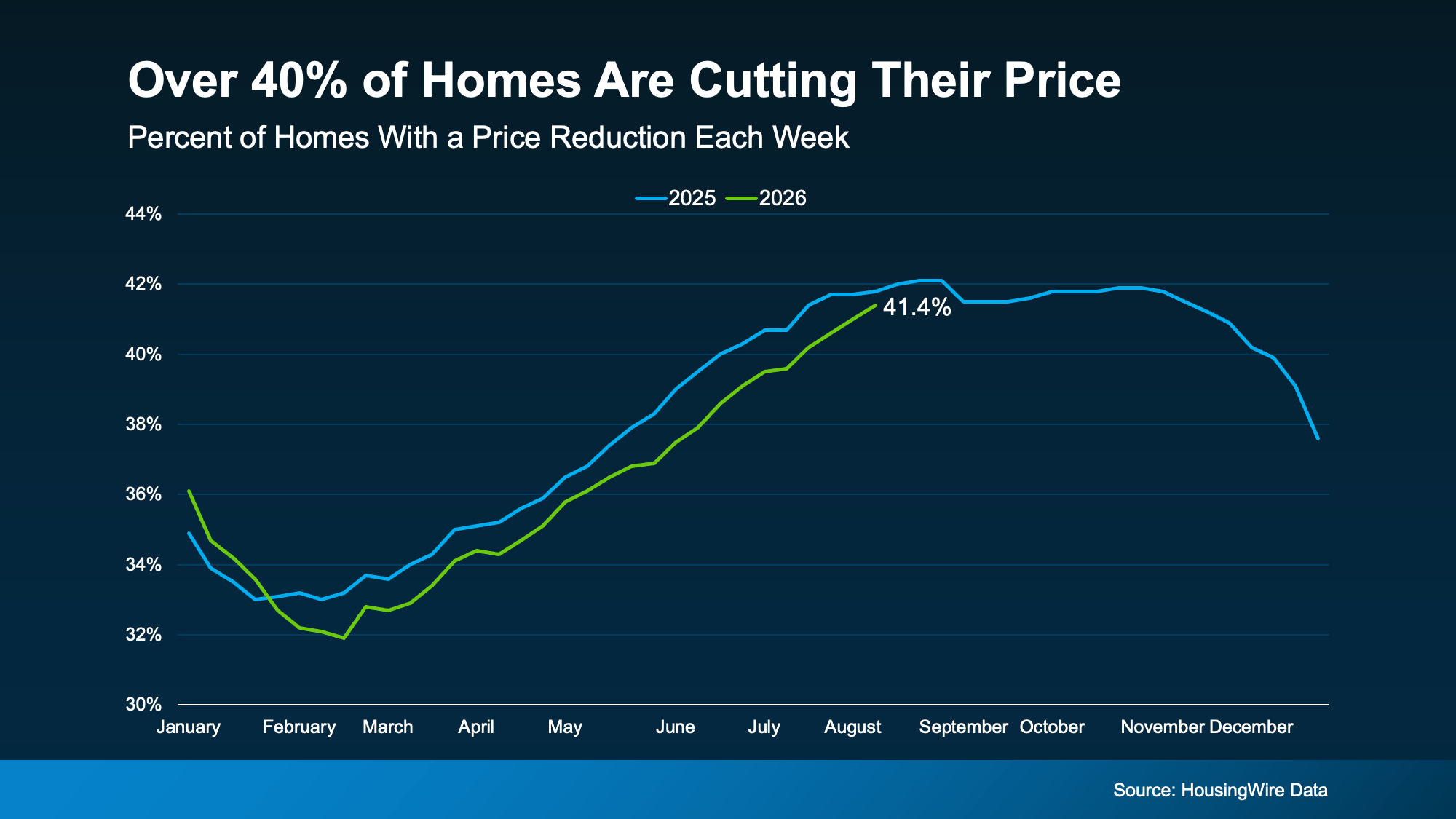
That’s more than 4 out of every 10 homes listed. Think about what that means. That’s thousands of sellers deciding they’d rather lower their asking price than keep waiting for someone willing to stretch their budget.
They know that to sell, they have to be willing to do some give and take. And when no buyers are biting, they’re pulling their biggest lever to draw buyers back in – their price. As Danielle Hale, Chief Economist at Realtor.com, explains:
“This is a market where people are adjusting and showing up rather than giving up. Sellers are meeting the market with more realistic asking prices, which is helping deals get done.”
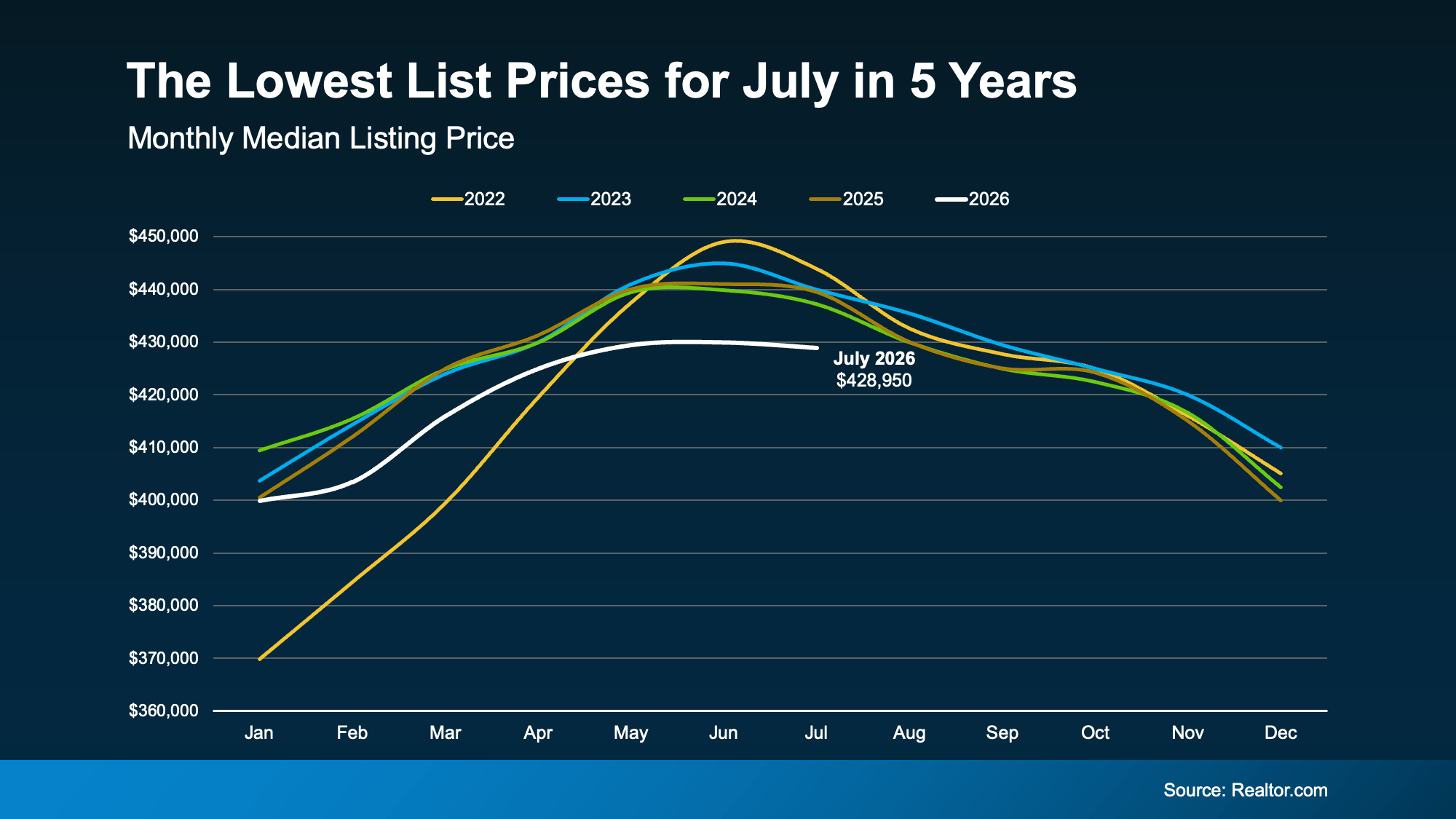
This July Saw the Lowest Median List Price for Any July in Five Years
What about the other 6 in 10 sellers? A lot of them started with a lower asking price to begin with rather than test the higher price and get crickets from buyers.
That may be why July 2026 had the lowest median list price of any July in the past five years, according to Realtor.com (see the white line in the graph below):
Now, that doesn’t mean home values are falling or that everything’s suddenly a steal. Prices are still above where they were before the pandemic. But what it does mean is this.
Sellers no longer banking on bidding wars or expecting buyers to pay whatever they ask. Instead, many are listing at prices that better reflect today’s market from the very beginning.
And honestly, whether they’re pricing competitively from day one or adjusting after a few weeks on the market, the message for you is the same:
Sellers are more willing to meet you where you’re at.
Because in many markets throughout the country, you’re not fighting over a house anymore. Sellers are fighting over you. And that’s information you can use to get a better deal.
Yes, affordability can be a real challenge. And the monthly payment you take on definitely does matter. But if you’ve been assuming everything is out of budget, there may be more wiggle room than you think.
Bottom Line
Right now, sellers are flexible on the price in ways they weren’t before. Reach out to a local agent to take advantage of that flexibility.
You may be surprised by what’s available – and how willing today’s sellers are to work with buyers.

Think New Homes Cost More? Not Right Now.

Thinking About Tapping into Your 401(k) To Buy a Home? Read This First.

Sellers Are Cutting Prices To Meet Buyers Where They’re At



-
 Affordability4 weeks ago
Thinking About Waiting for Lower Mortgage Rates? Read This First.
-

 First-Time Buyers4 weeks ago
Big Investors Are Backing Off and That’s Your Opening
-
 Affordability3 weeks ago
The Case for Putting 20% Down on Your Next Home
-

 Buying Tips3 weeks ago
Who Has the Upper Hand in Today’s Housing Market?
-
 Affordability3 weeks ago
Here’s Why Mortgage Rates Are What They Are Right Now
-

 Downsize2 weeks ago
The Kind of House Buyers Are Willing To Pay More For
-
 Downsize2 weeks ago
One Number Could Change Everything About Your Next Move
-
 For Buyers2 weeks ago
Higher Rates Could Actually Help Housing Supply – Here’s How.
You must be logged in to post a comment Login