


Buying Tips
You Can’t Control What’s Happening with Mortgage Rates. But You Can Control This.

Mortgage rates have been volatile lately. And if you’re thinking about buying a home, that can make it harder to plan. But there are still things you can do to get the best rate possible in today’s market. It starts with having the right information.
So, what’s causing the bumps in rates? And what can you do about it? Let’s break it down.
Mortgage Rate Volatility Is Normal
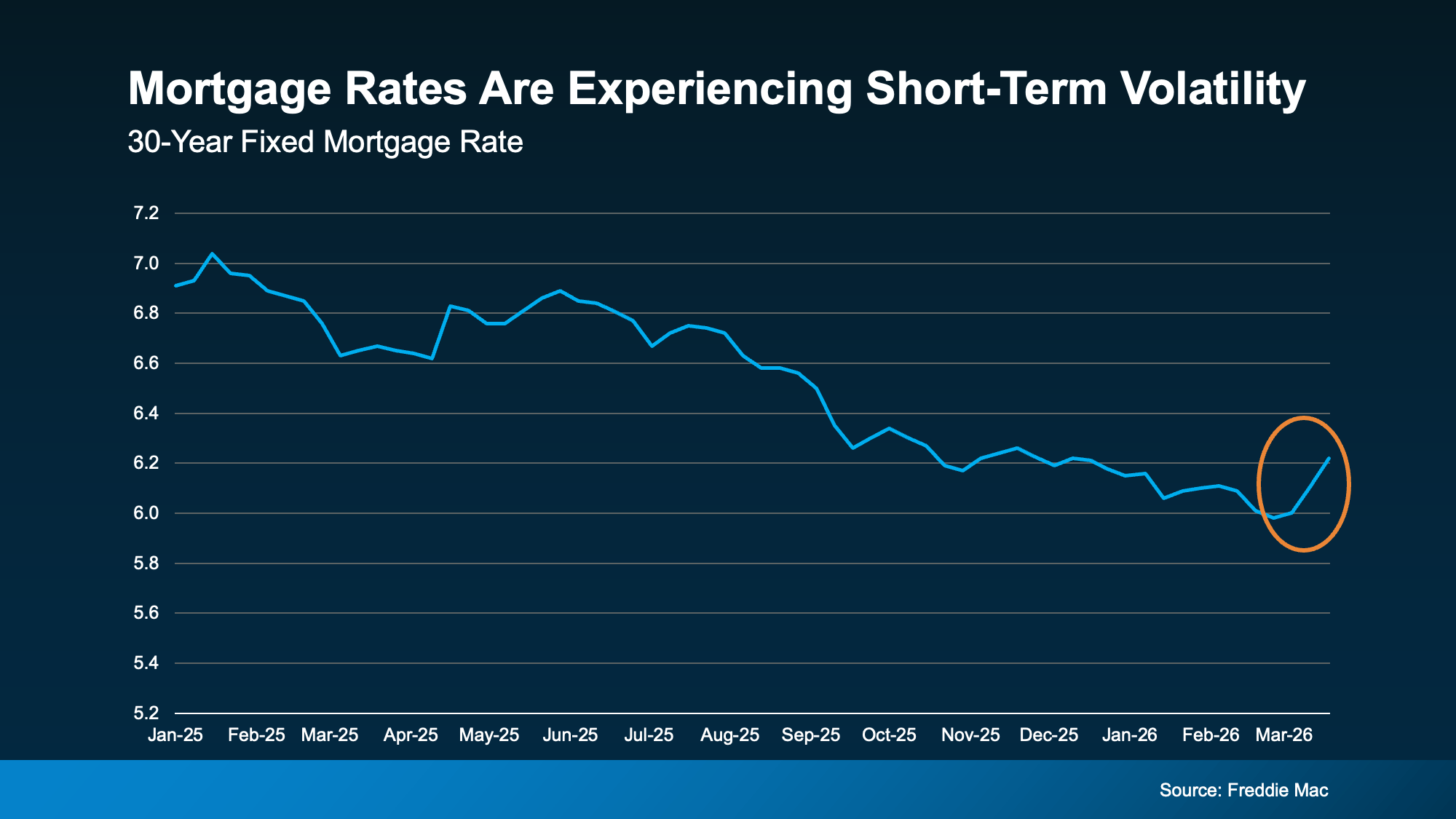
Data from Freddie Mac shows the recent volatility. After trending down for well over a year, there was a rise this month (see graph below):
While it’s easy to be distracted by the changes, here’s what you need to remember.
It’s normal for rates to bounce around a bit here and there. For example, if you look back at the graph, you’ll see that even within the past year there have been times like this when rates inched up. We’re in one of those moments right now and you need to be aware of that.
Especially when there’s economic uncertainty or big global events happening, volatility like this is expected. As Investopedia explains:
“Mortgage rates don’t move in isolation. When global events inject uncertainty into financial markets . . . that can ripple through to borrowing . . . mortgage costs can respond quickly to geopolitical developments. As long as uncertainty remains elevated, rate swings may continue.”
And that’s one of the reasons why trying to time the market isn’t a wise move.
You can’t control what happens with mortgage rates. But there are still things you can do to help you get the best rate possible in today’s market. And here’s where to focus your effort.
Your Credit Score
Your credit score plays a big role in the rate you qualify for. Even a small improvement can make a noticeable difference in your monthly payment. As Bankrate puts it:
“Your credit score is one of the most important factors lenders consider when you apply for a mortgage. Not just to qualify for the loan itself, but for the conditions: Typically, the higher your score, the lower the interest rates and better terms you’ll qualify for.”
So, make sure you do what you can to keep your credit score up. If you’re not sure what your score is or how you can improve it, talk to a trusted loan officer.
Your Loan Type
There are also different types of home loans – and each one can have unique requirements, benefits, and rates for qualified buyers. The Consumer Financial Protection Bureau (CFPB) explains:
“There are several broad categories of mortgage loans, such as conventional, FHA, USDA, and VA loans. Lenders decide which products to offer, and loan types have different eligibility requirements. Rates can be significantly different depending on what loan type you choose.”
That’s why it’s so important to explore your options with a lender. You may even want to talk to multiple lenders to see how the options vary.
Your Loan Term
The length of your loan matters too. Most lenders typically offer 15, 20, or 30-year loans. Freddie Mac offers this advice:
“When choosing the right home loan for you, it’s important to consider the loan term, which is the length of time it will take you to repay your loan before you fully own your home. Your loan term will affect your interest rate, monthly payment, and the total amount of interest you will pay over the life of the loan.”
Again, to figure out what makes the most sense for your budget and long-term goals, have a lender walk you through all your options.
Bottom Line
Thinking about buying right now? The best advice is to accept that you can’t control where rates are going to go from here.
What you can do is work with a trusted lender and take steps that’ll help you get the best rate possible.
So, if you want to move today, talk to an agent and a lender to make it happen. You just need to control the controllables and focus where it counts.

Today’s housing market splits into four distinct types. You’ve got cash buyers, buyers financing a purchase, owners who feel locked into a low rate, and builders with homes to sell. Which type you’re in changes how you should buy or sell. Ryan Serhant, CEO of SERHANT agrees:
“There is no longer a housing market . . . There are four Americas.”
Here’s what each looks like, and what it means for you.
Cash Buyers: 1 in 4 Buyers Are Paying with Cash
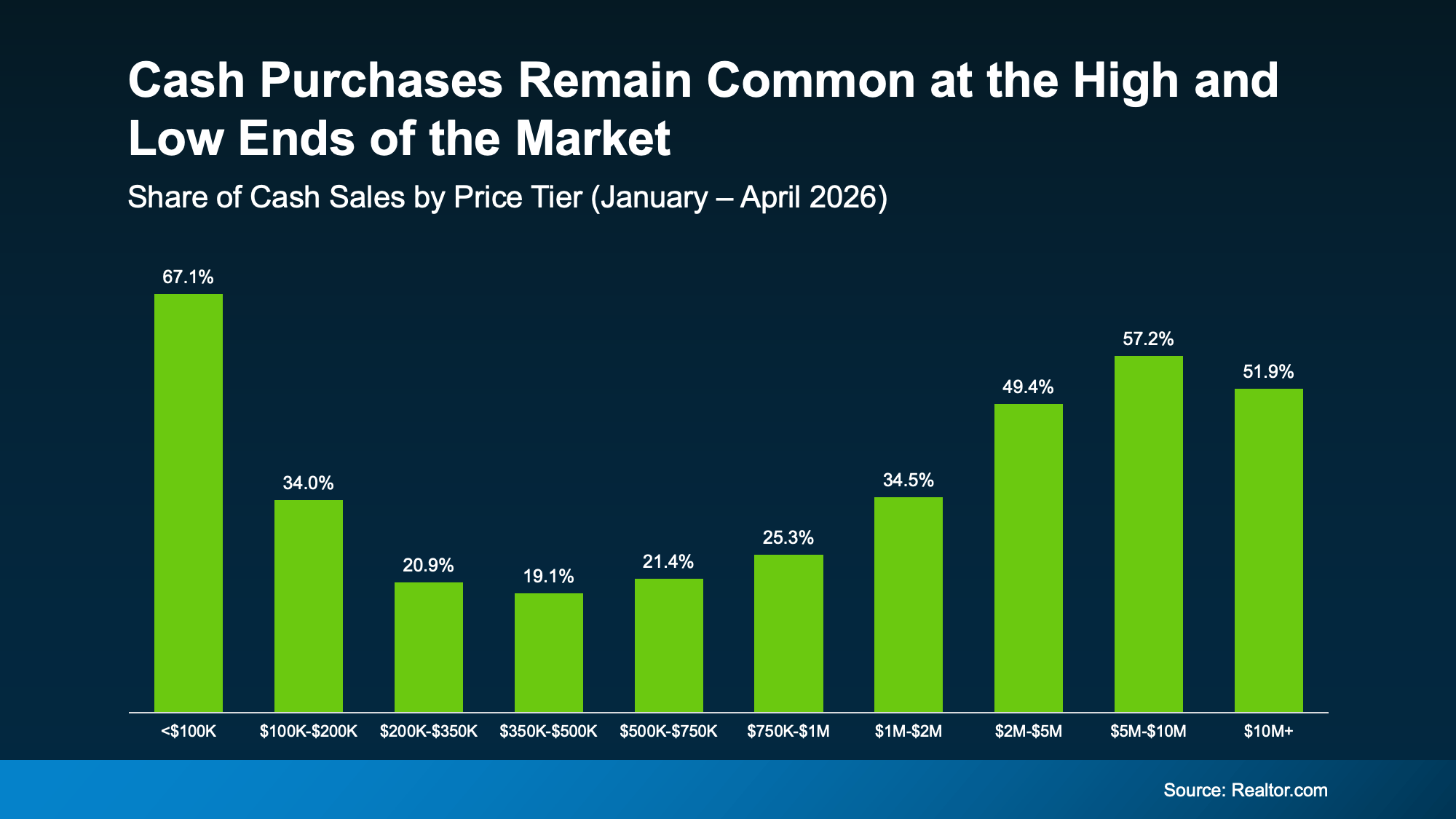
If you already own a home, you may be able to buy your next place in cash thanks to your equity. In fact, 26% of existing home sales this summer were all-cash, according to the National Association of Realtors (NAR). That’s roughly 1 in 4 buyers skipping a home loan entirely.
Data from Realtor.com shows most are at the very top and very bottom of the market by price point (see graph below):
For Buyers: If you’re able to buy in cash too, having no financing contingency means your offer is going to look really appealing to sellers. You may get a faster close and more room to negotiate.
For Sellers: A cash offer can mean less risk of the deal falling through, but that certainty sometimes comes with a lower number attached. Compare the whole picture before deciding it’s automatically your best offer.
Buyers Using Financing: They’re Not Getting Help from Rates, But They Are from Sellers
If you’re looking to take out a mortgage, you should know mortgage rates aren’t likely to come down anytime soon. Data from Fannie Mae shows nearly half of experts actually raised their long-term rate forecast this year (see graphs below):
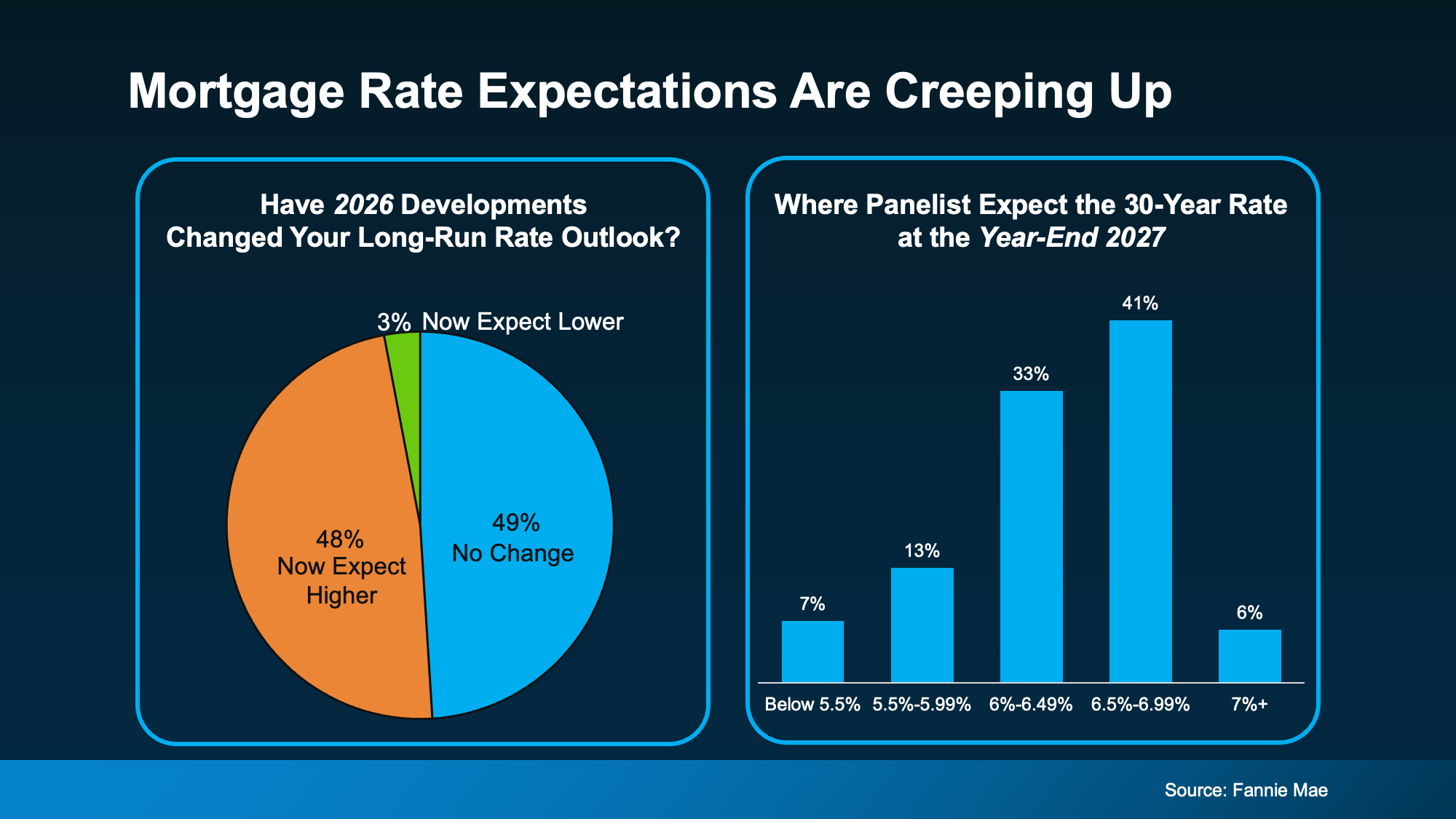
That’s tough for homebuyers relying on a mortgage, especially first-time buyers. But it’s not all bad news.
While buyers may not be getting the lower rates they want, at least there’s help to be had if you ask sellers for what you really need. Redfin data shows almost half of May sales included a concession like a rate buydown or closing-cost credit from the homeowner.
For Buyers: Stop waiting on rates to drop. Negotiate the concession instead. If the payment works today, that’s your signal.
For Sellers: Expect to negotiate. Build a concession into your pricing strategy from the start could be the thing that gets a deal done.
Rate-Locked Homeowners: Most Are Sitting on a Rate Below 5%
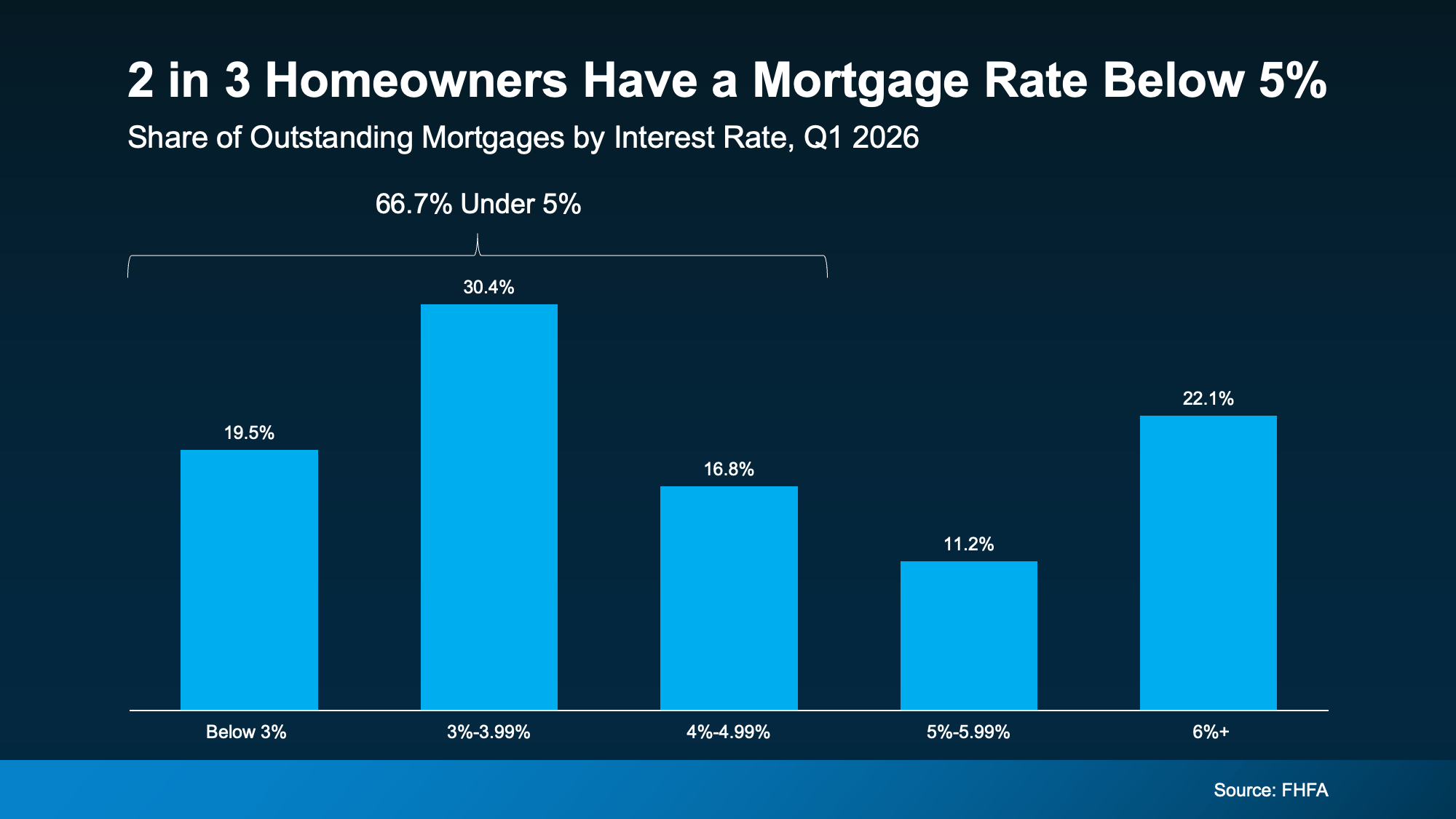
If you own a home already, you might not want to move and take on a higher rate than the one you’ve got. That’s the case for a lot of people. About 2 in 3 homeowners have a mortgage rate under 5%, according to Federal Housing Finance Agency (FHFA) data (see graph below).
When a homeowner has a rate that low, it’s harder for them to want to move and leave behind that ultra-low rate. Because, they’d likely have to take on a higher one on their next home. Hence “rate locked” – they feel locked in.
And, according to Fannie Mae data, most experts think that lock-in will stick around another 3-5 years. That means this will continue to be a factor in how many homes come up for sale.
For Buyers: Fewer homeowners are listing, but the ones who do usually have a real reason to move. They’re often more flexible, motivated sellers.
For Sellers: Run the math on what your equity actually buys before ruling out a move. Got an FHA or VA loan? Ask about making it assumable. It’s rare, but it’s a real selling point.
Homebuilders: They’re Negotiating More Than You Think
If you’re looking at new construction, this might be your moment. According to the latest Census data, builders have more unsold new homes sitting around than usual, enough that it would take nearly 10 months to sell them all at the current pace (well above the normal 4-6 months pace). That’s pushing builders toward price cuts and rate buydowns.
For Buyers: That’s where the deals are right now. Just be sure to use your own agent and compare the whole incentive package, not only the price tag.
For Sellers: Lead with what a builder can’t offer – mature landscaping, an established neighborhood, and a house that’s ready today, not in 8 months. That can help your house seem like a better optiona
Bottom Line
Four different housing markets are running at once: cash buyers, financed buyers, locked-in owners, and builders. Each one plays by its own rules, and the right move for one is exactly the wrong move for another.
Connect with a local real estate agent to figure out which one you’re actually in and build your next move from there.

If you’re trying to buy a home, affordability is probably what keeps you up at night. And as you watch mortgage rates tick up again lately, it’s fair to wonder if you should just hit pause and wait for them to go down.
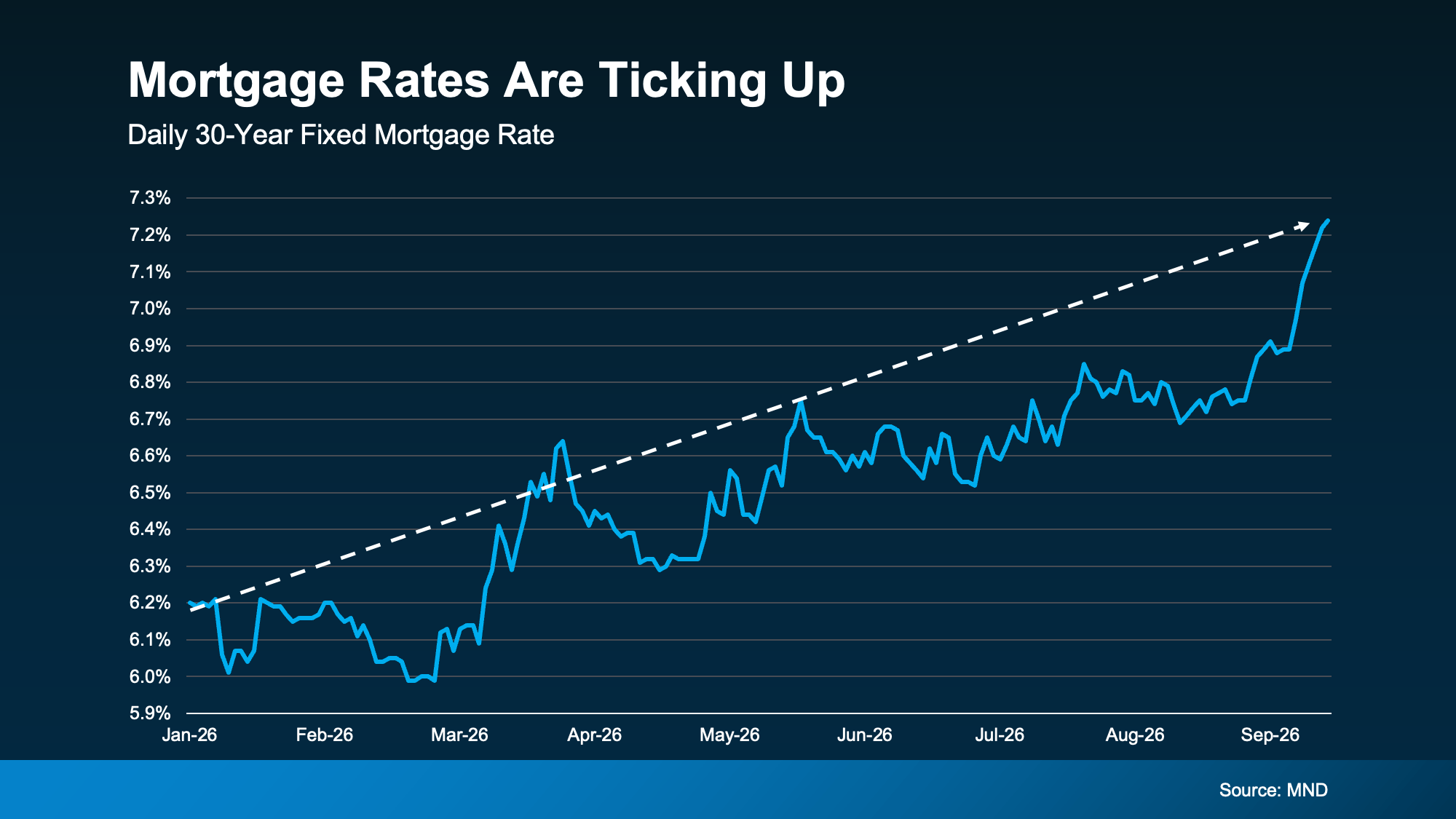
For now, though, they’re headed the other way. Mortgage News Daily data shows how rates have risen this year (see graph below):
And if you’re wondering why? There are actually a number of reasons.
Mortgage rates are impacted by the situation overseas, economic data, inflation numbers, oil prices, and even decisions from the Federal Reserve (who recently decided to hike their Fed Funds Rate – which often affects mortgage rates too). As Danielle Hale, Chief Economist at Realtor.com, explains:
“The pressure on mortgage rates was here even before the Fed rate hike, and it doesn’t show signs of relenting. . .”
Now, that’s probably not what you wanted to hear. But, it doesn’t mean there’s nothing you can do. While you can’t control where rates go from here, you absolutely can control several things that shape the rate you actually get.
So where should you focus? Let’s walk through it.
Work on Your Credit Score
Your credit score plays a big role in the rate you qualify for, and even a small improvement can make a real difference in your monthly payment. As Freddie Mac puts it:
“Generally, the higher your credit score the more options will be available to you, including better loan terms and a lower interest rate.“
So, make sure you do what you can to keep your credit score up. If you’re not sure where your score stands right now, or how to improve it, talk to a trusted loan officer.
Explore Your Loan Options
The type and term of your loan both affect your rate. Conventional, FHA, VA, and USDA loans each come with their own requirements and rates, and your term (15, 20, or 30 years) changes both your payment and the total interest you’ll pay. The structure matters, too. A fixed-rate loan holds the same rate over time, while an adjustable-rate loan usually starts lower and can move later on. Bankrate explains it this way:
“. . . rates on fixed-rate loans are typically higher than introductory rates on adjustable-rate loans because the fixed-rate lender takes on the risk that rates could increase during the loan’s term. Likewise, government-backed FHA, VA and USDA loans sometimes have lower rates because they have a government guarantee or insurance that cuts the lender’s risk.“
It’s important to explore your options with a lender to see what makes the most sense for you. Just be sure to balance your goals, your possible rate, and any potential tradeoffs before making any decision. You may even want to talk to multiple lenders to see how the options vary.
Consider a Newly Built Home
Another path to a lower rate comes down to the kind of home you buy. Many builders are buying down mortgage rates, which lowers your monthly payment. It’s just one way they’re trying to attract buyers and get their homes sold.
According to Realtor.com, buyers of newly built homes landed a lower average rate last quarter than buyers of existing homes (see graph below):
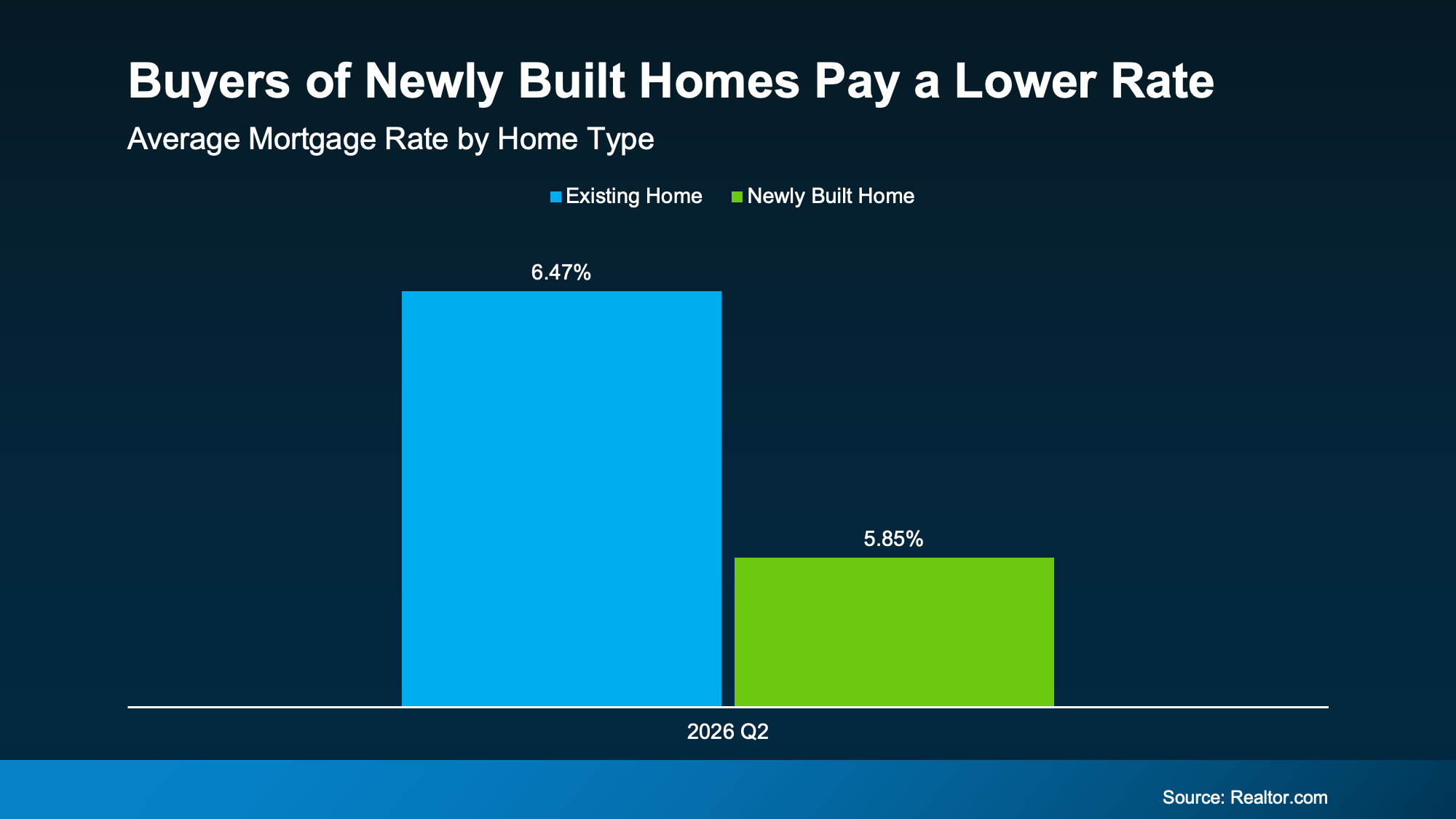
If a lower rate is your goal, it may be worth asking your agent to show you some new build communities that are offering this type of incentive locally.
Bottom Line
You can’t control where mortgage rates go, but you can control your credit, your loan, and the kind of home you buy. Working with a trusted lender can help you lock in the best rate you qualify for. And when you’re ready to make a move that fits your budget, connect with a local real estate agent.

Want to buy a house this year, but not sure if the timing’s right? Seasonally, it may actually be a better time to buy than you expect.
Yes, mortgage rates have been ticking up lately – and that’s creating some real challenges with affordability. No one’s arguing that. But there are also predictable trends that happen this time every year that can put some wind back in your sails.
According to research coming out of Realtor.com, nationally, the week of September 27 – October 3 will be the best time to buy this year for this very reason:
“The week of September 27–October 3 brings together the market conditions buyers value most—elevated inventory, less competition and prices that have eased from their seasonal high—giving prepared buyers a way to offset high rates with savings on price and room to negotiate with confidence.”
But that’s the national best week. Depending on where you live, your local sweet spot may come a little earlier or later (see map below):
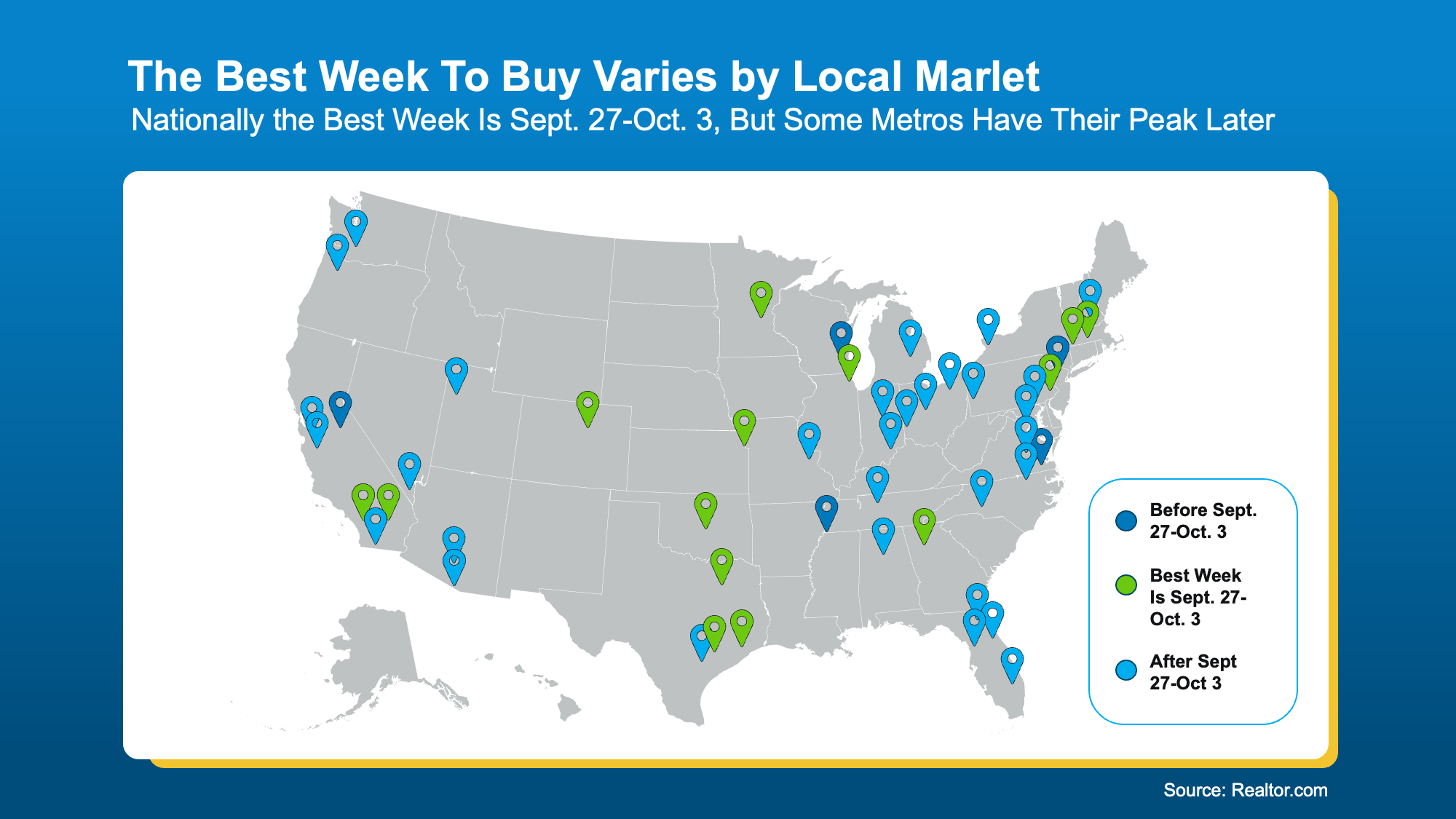
It all depends on local trends and how inventory and buyer demand ebbs and flows seasonally where you want to live. But no matter when your market hits its peak, here are some of the perks you can expect this time of year.
More Choices, Better Prices, and Less Competition
For starters, there are more homes to choose from. In fact, data from the National Association of Realtors (NAR) shows the number of homes for sale recently reached its highest level in more than 10 years:
“NAR’s data does show a strong uptick in for-sale inventory at the end of the summer, reaching the highest level in more than 10 years.”
That means you may have a better shot at finding something you love and can afford without making as many compromises. And that’s not the only advantage.
Realtor.com says buyers during this window could see home prices about $14,000 lower than the summer peak, along with 30% less competition from other buyers. Plus, homes tend to stay on the market almost 2 weeks longer (13 days), giving you a little more breathing room to make a decision.
-
More choices.
-
Better pricing.
-
Less competition.
That combination could be enough to ease some of the pressure higher mortgage rates are putting on your budget.
The Window Doesn’t Close After This One Week
But you certainly don’t have to buy during that very specific window. This isn’t a one-week-only opportunity. History tells us conditions should be tipped in your favor for the entire month of October:
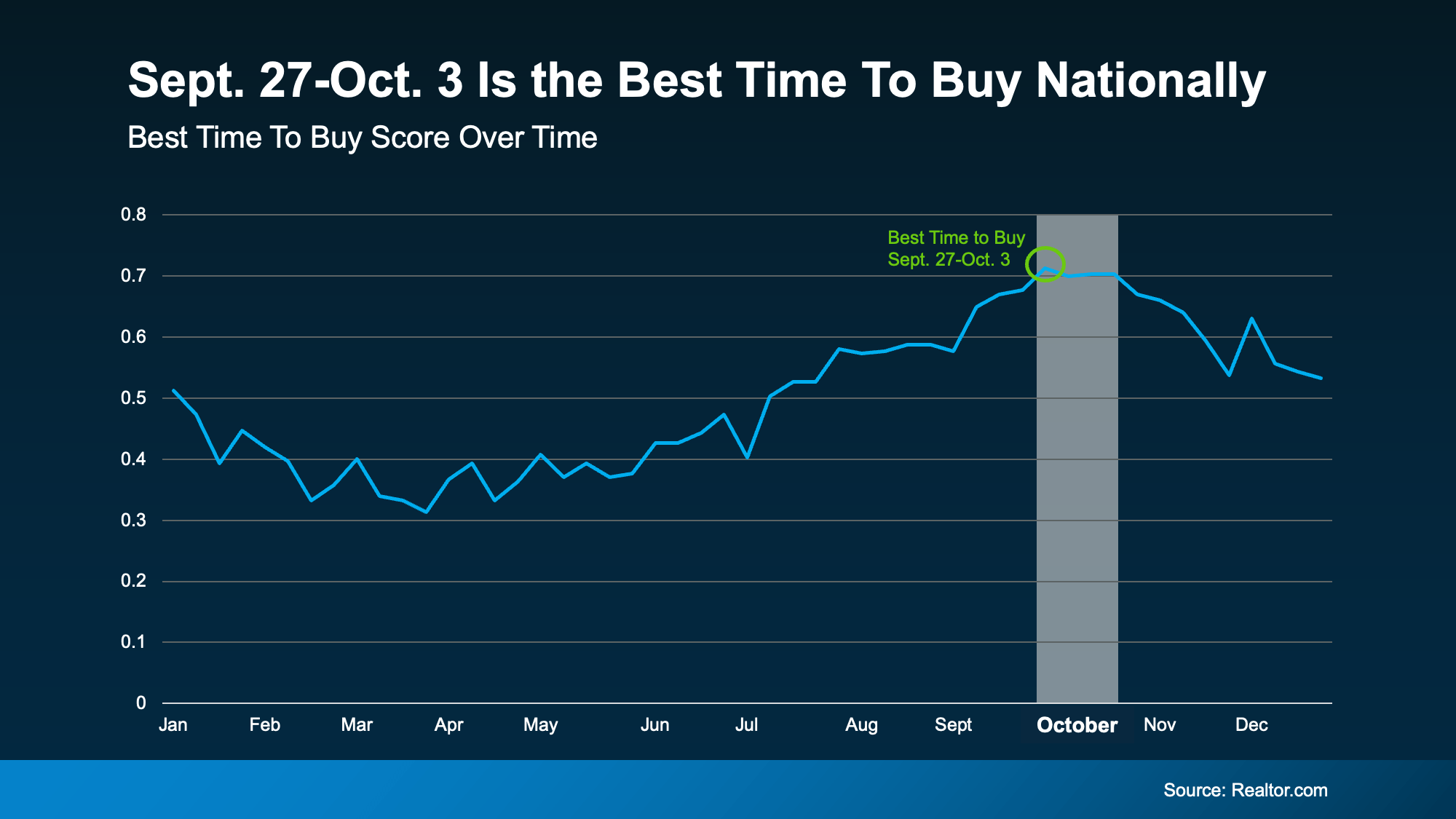
In fact, Realtor.com says 42 of the 50 largest metros see their best week to buy fall sometime during October. So, don’t feel like you have to rush to hit one specific date. Use the time now to get things lined up, then jump in when the timing is right for you. As Guaranteed Rate explains:
“The best time to buy a home depends on your needs. Certain seasons can give you an advantage when starting your homebuying journey.”
Bottom Line
If you want to buy a house this year, there’s still a way to make it happen, even with today’s rates. This fall gives you the chance to get some of the best seasonal perks the market has to offer.
Want help figuring out when those advantages typically show up in your market?
Have a quick conversation with a lender and a local agent about how your market works and the steps you’ll need to take to get ready.

There Are 4 Types of Housing Markets Right Now. Which 1 Are You In?

3 Things You Can Actually Control About Your Mortgage Rate Right Now

Selling This Fall? You Want To Get These 4 Things Right.



-

 For Buyers4 weeks ago
Worried About a Housing Crash? The Numbers Tell a Calmer Story.
-

 Affordability4 weeks ago
Sellers Are Cutting Prices To Meet Buyers Where They’re At
-

 Affordability3 weeks ago
Thinking About Tapping into Your 401(k) To Buy a Home? Read This First.
-
 Affordability3 weeks ago
Think New Homes Cost More? Not Right Now.
-

 Affordability3 weeks ago
Why Buyers Shouldn’t Overlook a Fall Move
-

 Affordability2 weeks ago
Remote Work Could Be Your Affordability Answer
-
 Agent Value2 weeks ago
The Housing Market Split in 2. Which Side Is Your House On?
-

 For Buyers2 weeks ago
Data Centers Are Moving Closer to Homes. What Does That Mean for You?
You must be logged in to post a comment Login